
Engineered Architectural Screen & Pergola Assemblies
Heavy-duty structural components fabricated to integrate seamlessly into San Francisco residential terraces, commercial patios, and hospitality venues.
-
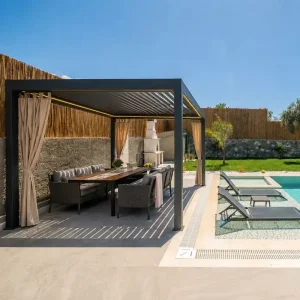
San Francisco Wholesale Premium Aluminum Louvered Pergola
View Specifications -
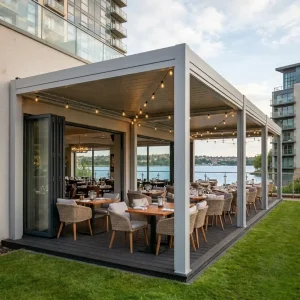
Bay Area Structural Grade 175mm Wind-Certified Louvered Pergola
View Specifications -
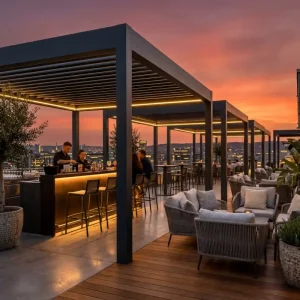
San Francisco Commercial Hospitality Large-Scale Pergola Systems
View Specifications -
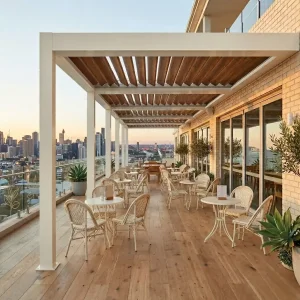
NorCal All-Weather Commercial Patio Enclosure Systems
View Specifications
San Francisco's Outdoor Shading Architecture: Microclimates & Marine Dynamics
Why standard motorized roller shades fail in Northern California, and how heavy-duty zip retention engineering solves the Pacific maritime envelope.
The Bay Area Microclimate Paradox
San Francisco presents one of the most mechanically demanding architectural climates in North America. Rapid transitions from intense coastal fog along the Sunset and Richmond districts to afternoon gust channels across the Financial District, SOMA, and the Embarcadero create constant wind shear. Windproof zipper blinds provide dynamic side stabilization, turning turbulent wind streams into controlled ambient ventilation without dislodging fabric from channels.
Hospitality Revenue Density
Commercial real estate in downtown San Francisco and the Marina requires 365-day seating utilization. Unshielded outdoor terraces experience high table vacancy during crisp evening breezes and sudden marine layer drops. By integrating structural zipper screens with existing steel or aluminum pergolas, hospitality venues eliminate gust disruptions, retain radiant terrace heat, and extend daily operational hours profitably.
Title 24 & Coastal Energy Mandates
California's Title 24 Building Energy Efficiency Standards require rigorous thermal envelope performance. Automated exterior zip blinds act as primary solar heat gain barriers before radiation strikes fenestration, reducing peak indoor cooling loads by up to 68%. The high SHGC mitigation ensures luxury developments in Silicon Valley and the East Bay meet state sustainability goals.
Direct Industrial Sourcing: Foshan Precision Meets Bay Area Standards
Bridging global tier-one aluminum extrusion hubs directly with commercial facade contractors, solar shading installers, and luxury designers across California.
Deep Aluminum Metallurgy Control
Our direct manufacturing facility controls every stage of profile extrusion using prime 6063-T6 virgin aluminum billet. Side tracks, bottom weight bars, and cassette housings feature calibrated wall thicknesses (up to 2.5mm) far superior to standard retail roll-formed profiles. This eliminates torsional bowing across spans over 6 meters exposed to Pacific gust dynamics.
AkzoNobel Marine-Grade Powder Coating
The salty marine atmosphere of San Francisco Bay accelerates corrosion on lower-tier hardware. Every exterior profile undergoes automated, multi-stage pre-treatment followed by AkzoNobel Interpon architectural-grade fluoropolymer powder coating. This ensures compliance with AAMA 2604/2605 specifications, preventing chalking, fading, or galvanic oxidation over decades.
Direct OEM/ODM Cost Architecture
By eliminating intermediaries, multi-tier distributors, and branded domestic markups, we allow California general contractors and shading dealers to procure customized zip screen systems at direct factory prices. All orders feature tailored motorization options (Somfy, Dooya, Tuya Smart Zigbee) ready for integrated building automation.
Engineering Parameters: Windproof Zip Blind Specification Matrix
Validated mechanical thresholds and component data for architectural review and structural permit application.
| System Attribute | Commercial Grade Specification | Architectural Performance Standard |
|---|---|---|
| Wind Pressure Resistance | Class 6 Wind Rating (Tested up to Beaufort Scale 11 / 89-117 km/h) | EN 13561 Certified Stability / High-Rise Facade Capable |
| Retention Mechanism | Co-extruded PVC-wrapped stainless internal tension insert & polymer zipper lock | Continuous fabric retention; zero blowout risk along side-guide tracks |
| Aluminum Alloy Profile | Extruded 6063-T6 architectural grade, nominal wall thickness 2.0mm – 2.5mm | ASTM B221 Architectural Structural Aluminum standard |
| Surface Protection | AkzoNobel Interpon architectural powder coating, 60-80 μm dry film thickness | AAMA 2604 / ISO 9227 Neutral Salt Spray Test > 1500 Hours |
| Screen Textiles Available | Serge Ferrari Soltis 86/92, Fiberscreen 1% to 5%, Sunworker High-Tenacity Polyester | NFPA 701 Fire Retardant, OEKO-TEX Standard 100, Greenguard Gold |
| Motorization & Control | Somfy RTS / IO motors, Dooya obstacle-detection tubular motors, Tuya/Zigbee 3.0 | Integration ready for Crestron, Control4, Lutron, and dry-contact BMS |
High-Performance Implementations Across Northern California
Targeted deployment scenarios engineered to resolve distinct solar, thermal, and mechanical challenges in coastal urban builds.
Luxury Hillside Residences (Pacific Heights & Twin Peaks)
Expansive panoramic floor-to-ceiling glass expanses suffer from intense low-angle afternoon solar glare combined with sudden, heavy westerly wind bursts. Recessed ceiling-pocket zip screens lower silently on smart schedules, maintaining unobstructed bay views through high-visibility 3% openness textiles while stabilizing internal ambient temperatures without mechanical AC overuse.
Tech Campus Micro-Enclosures (Silicon Valley & SOMA)
Modern tech campuses prioritize collaborative outdoor workspaces and rooftop meeting decks. Windproof zip blinds mounted to structural pergolas create functional semi-enclosed breakout pods that block peripheral wind roar, prevent laptop screen glare, and preserve acoustic privacy during outdoor team syncs.
Waterfront Commercial Dining (The Embarcadero & Sausalito)
Outdoor dining along the coastal fringe faces heavy maritime moisture, salt crusting, and gusty winds that cause flapping fabric noise in conventional shades. The zip track continuous-locking configuration ensures taut, acoustic-dampening performance even at high wind speeds, protecting diners and delicate table settings in all seasons.
Frequently Asked Architectural Questions (FAQ)
Critical engineering, logistics, and installation considerations for general contractors, specifiers, and procurement managers.
How do windproof zipper blinds maintain structural integrity against San Francisco Bay's high gusts?
Can these systems be customized to match San Francisco Historical or Modern Architectural standards?
How does direct factory shipping from China work for Bay Area projects, and what are the lead times?
Are these systems compatible with US electrical codes and smart building platforms?
Full Series Architectural Shade & Pergola Lineup
Engineered for dealers, contractors, and luxury residential projects. Available for consolidated single-container procurement.
-
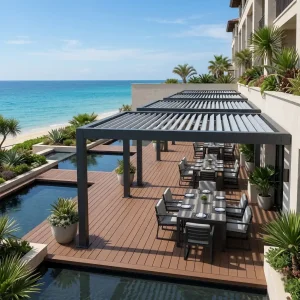
San Francisco Commercial-Grade Louvered Pergola 175 Series
View Specifications -
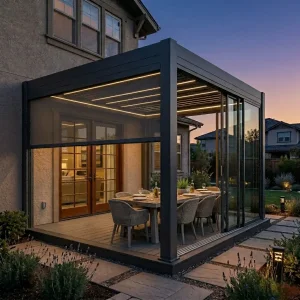
Bay Area High-Yield 175mm Aluminum Urban Pergola System
View Specifications -
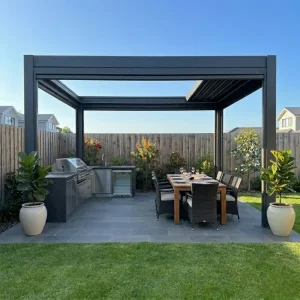
California Spec-Heavy 180-Series Aluminum Contractor Pergola
View Specifications -
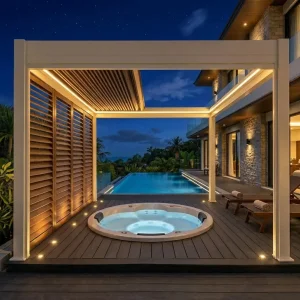
NorCal Revenue-Generating 180-Series Retractable Pergola
View Specifications -
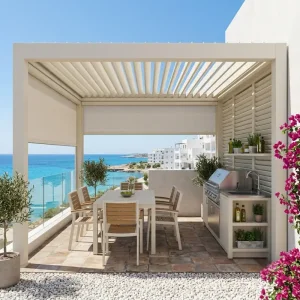
San Francisco Motorized Louvered Pergola Kit for Outdoor Kitchens
View Specifications -
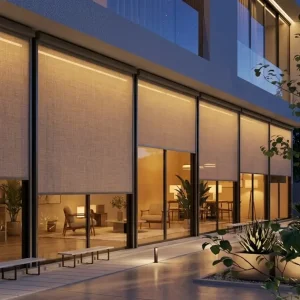
Architectural High-Performance Zip Screen Facade Solutions
View Specifications -
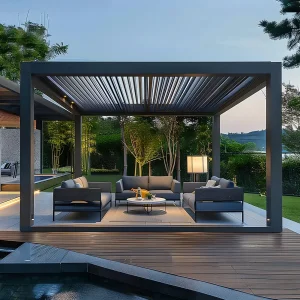
Bay Area Electric Flip Louvered Pergola Deck Extension System
View Specifications -
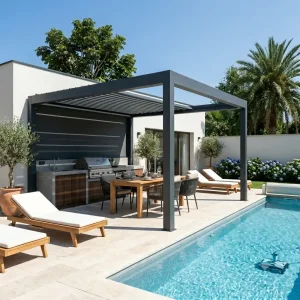
Residential Premium Louvered Pergola for Marin & Peninsula Estates
View Specifications