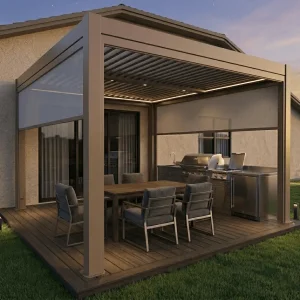
Featured Commercial Blind Systems for Thailand
Pre-engineered smart roller blinds and thermal screen configurations tested for high-humidity, direct UV insolation, and monsoon wind shear across Thailand provinces.
Bangkok Smart Building BMS Electric Roller Blinds for High-Rise Offices
Explore Specification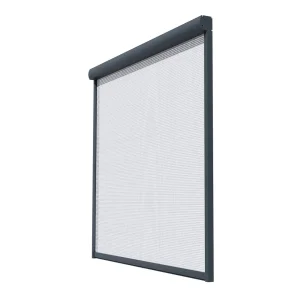
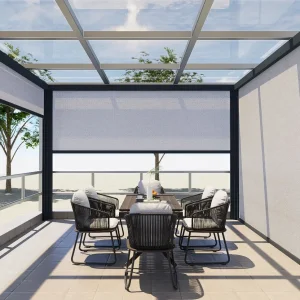
Thailand Custom Premium Electric Roller Blinds with Total UV & Heat Protection
Explore Specification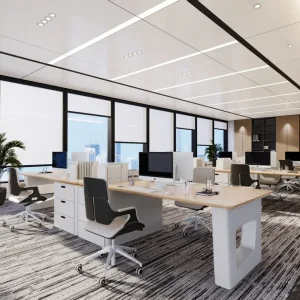
Phuket & Hua Hin Luxury Living Motorized Roller Blinds for Coastal Villas
Explore Specification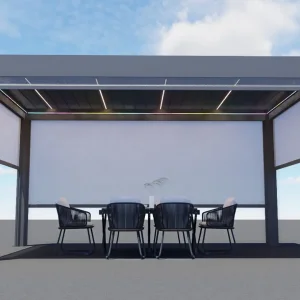
Thailand Eastern Economic Corridor Advanced Motorized Commercial Blinds
Explore SpecificationThe Commercial Landscape for Roller Blinds Across Thailand
Understanding regional solar gains, OTTV envelope efficiency codes, and tourist infrastructure expansion driving modern B2B shading procurement.
The Kingdom of Thailand presents one of Southeast Asia's most dynamic architectural environments, where accelerated urbanization intersects directly with extreme equatorial microclimates. From the high-density glass canyons of Bangkok's Central Business District (CBD) such as Sathorn, Silom, and Sukhumvit, to expansive industrial complexes in the Eastern Economic Corridor (EEC—spanning Rayong, Chonburi, and Chachoengsao), solar radiation control is not an aesthetic afterthought—it is a critical MEP (Mechanical, Electrical, Plumbing) engineering requirement.
Thailand experiences an average annual solar irradiance between 18.2 to 19.8 MJ/m²·day, with ambient temperatures consistently remaining above 32°C (89.6°F) and relative humidity frequently exceeding 80%. When expansive architectural glazing is exposed to this solar intensity, solar heat gain coefficient (SHGC) spikes rapidly, overburdening Chilled Water Air Handling Units (AHU) and driving commercial energy expenditures to unsustainable levels. Under the Thai Ministry of Energy's updated Building Energy Code (BEC), commercial and mixed-use structures exceeding 2,000 square meters are legally mandated to comply with strict Overall Thermal Transfer Value (OTTV) limits—typically capped at 50 W/m² for commercial office towers and 30 W/m² for hospitality developments.
Bangkok High-Rise Office & Condominiums
Over 1.2 million square meters of Prime Grade-A commercial office space and luxury branded residences across Lumphini, Phrom Phong, and Rama 9 require low-emissivity internal roller blinds. Procurement teams require motorized systems natively interoperable with BACnet and Modbus Building Automation Systems (BAS) to automate shading along solar angles throughout Bangkok's intense midday glare.
Hospitality & Island Microclimates
In world-renowned leisure destinations including Phuket, Koh Samui, Krabi, and Pattaya, beachfront resorts and open-air fine dining terraces face high wind-shear, monsoon downpours, and hypersaline coastal air. Exterior zip-guided motorized roller screens provide storm perimeter seals, preventing ocean driving rain and ultraviolet degradation from degrading luxury hospitality guest experiences.
EEC Corridor Manufacturing & Logistics
Automotive, electronics, and semiconductor fabrication cleanrooms throughout Chonburi and Rayong demand specialized industrial anti-static, anti-microbial, and fire-retardant interior roller blinds. Large structural spans require precision motorization and robust tubular drives capable of continuous high-cycle operations in ambient factory environments.
Technical Specifications & Material Compliance Matrix
Enterprise procurement standards formulated for international facade contractors, MEP engineers, and hospitality asset developers operating in Southeast Asia.
| Engineering Parameter | Material Specification Standard | Tropical Thailand Performance Threshold | Procurement Advantage |
|---|---|---|---|
| Fabric Substrate Composition | Pre-stretched Fiberglass yarn (36%) coated with UV-inhibited PVC (64%) or 100% solution-dyed PES | Dimensional stability up to 75°C facade cavity temp; zero sagging over 6.0m drops | Long-Life Tensile No wave distortion or edge fraying in high humidity |
| Solar Optical Properties | Openness Factor 1%, 3%, 5%, and 100% Total Blackout (4-layer laminate with aluminum backing) | Tv (Visual Light Transmittance) < 5%; Rs (Solar Reflectance) > 68% on metallized surfaces | Glare Elimination Eliminates computer screen glare while retaining external sea/sky views |
| Fire Retardancy & Toxicity | NFPA 701 (USA), BS 5867 Part 2 Type B (UK), DIN 4102-1 B1 (EU), and ASTM E84 Class A | Self-extinguishing, low smoke index, halogen-free under high-temperature combustion | Civil Defense Compliant Guaranteed clearance with Thai Municipal Fire Safety Authorities |
| Fungus & Mildew Resistance | ASTM G21-15 Antimicrobial Certification (Zero fungal growth rating) | No fungal germination during 95% continuous tropical relative humidity cycles | Hygiene Certified Mandatory for 5-star hospitality, wellness retreats, and hospitals |
| Alloy & Corrosion Protection | 6063-T6 Extruded Aluminum alloy with Qualicoat Seaside Class 2 architectural powder coat | ASTM B117 Neutral Salt Spray Test exceeding 1,500 hours continuous exposure | Marine Grade Resists galvanic corrosion along Andaman and Gulf of Thailand coasts |
| Tubular Motor Engineering | IP44 (Internal) / IP65 (Exterior) bidirectional electronic limit motors with thermal overload cut-off | Continuous operation within 220V/50Hz Thai grid standard; ultra-silent acoustic rating < 38 dB(A) | Smart Building Ready RS485, Dry Contact, Zigbee 3.0, and Matter protocol integration |
International corporate specifiers sourcing roller blinds for projects in Thailand must guard against substandard vinyl fabrics that degrade rapidly under intense ultraviolet radiation. Substandard compounds exhibit plasticizer migration within 12 to 18 months in tropical environments, resulting in unpleasant volatile organic compound (VOC) emissions, brittle yarn fractures, and sticky residue. Our supply chain utilizes exclusively virgin plasticizers, anti-UV masterbatches, and pre-stretched glass cores certified under GREENGUARD Gold and OEKO-TEX Standard 100, ensuring zero indoor air contamination in luxury living quarters.
Macro-Industry Solutions for Thai Commercial Assets
Turnkey blind engineering solving thermal radiation, privacy, weather sealing, and acoustic challenges across Thailand's prime industrial sectors.
1. Commercial Skyscrapers & Banking Head Offices
Bangkok's prime commercial clusters require motorized solar screens that balance daylight harvesting with strict glare mitigation. Specially woven 2% to 3% openness fabrics maintain expansive city panoramas across the Chao Phraya River or Lumpini Park while cutting incoming infrared heat by up to 88%.
- Multi-channel central controller synchronization based on real-time lux sensors
- Concealed dual-roller ceiling pockets integrating daylight screen and blackout layer
- Heavy-duty 50mm to 80mm aluminum tubes with zero mid-span sagging up to 4.5m wide
2. Luxury Resorts & Cliffside Villas (Phuket, Samui, Krabi)
Island properties frequently incorporate vast open-air living pavilions and seaside terrace pergolas. Motorized windproof zip screen blinds transform outdoor terraces into climate-controlled interior spaces during tropical squalls without compromising architectural sightlines.
- Engineered retention zippers welded directly to fabric edges, locked inside side channels
- Seamless integration with motorized aluminum louvered pergolas and cabanas
- Qualicoat Seaside powder coating resisting salt fog crystallization and corrosion
3. EEC Smart Factories & High-Tech Cleanrooms
Industrial developments in the Eastern Economic Corridor require specialized contamination and light control. Cleanroom-certified anti-static blinds prevent dust particulate accumulation while providing full blackout capability for laser testing and semiconductor manufacturing.
- Smooth wipe-clean PVC and polyester composites certified to cleanroom standards
- Explosion-proof and high-cycle industrial motors for continuous production cycles
- Flame-retardant certification strictly adhering to Thai Factory Act safety regulations
4. Healthcare & Medical Tourism Facilities
Thailand's leading international hospitals in Bangkok, Chiang Mai, and Pattaya demand strict infection control. Hospital-grade antimicrobial roller shades treat textile surfaces with active zinc pyrithione or silver ions, inhibiting 99.9% of bacteria and viral pathogens.
- Antimicrobial protection tested against MRSA, E. Coli, and Klebsiella pneumoniae
- Zero off-gassing with UL GREENGUARD Gold indoor air quality clearance
- Acoustic absorption fabric choices dampening street reverberations for patient rest
Localized Supply Chain, Tariff Optimization & Port Handling
Seamless B2B export workflows directly connecting our high-capacity manufacturing centers to Thailand ports and project sites.
Form E / ACFTA Zero-Tariff Benefits
Under the ASEAN-China Free Trade Agreement (ACFTA), all motorized roller blind shipments, aluminum profiles, and sun-control textiles qualify for Form E Certificate of Origin documentation. This reduces conventional Thai import customs tariffs from 20%-30% down to 0% to 5%, giving our direct B2B partners immense margin advantages.
Port of Entry & Intermodal Route Options
Orders are consolidated and loaded in FCL (Full Container Load) or precision crated for LCL (Less than Container Load) shipping directly to Laem Chabang Port (THLCH) for eastern industrial corridors or Bangkok Port / Klong Toey (THBKK) for city centers. Direct maritime routes provide dependable transit windows of just 5 to 8 days.
Engineering Shop Drawings & BIM / CAD
Our dedicated engineering department collaborates with Thai architects, facade contractors, and MEP teams from schematic stages. We furnish comprehensive submittal packages including AutoCAD section details, Revit BIM models (LOD 300/350), wiring schematic diagrams, and structural anchor load calculations tailored to Thai concrete standards.
Technology Roadmap: 2025–2030 Smart Facade Outlook
Pioneering the next era of intelligent shading through edge-computing algorithms, photovoltaic solar harvesting, and matter IoT connectivity.
Matter & Thread Protocol Integration
Standardizing universal bidirectional IP-based tubular motors supporting Matter and Thread. Enables zero-gateway synchronization between Somfy, Apple HomeKit, Google Assistant, Tuya, and BACnet high-rise management systems without third-party bridges.
Predictive Solar Tracking (AI Shadow Engine)
Embedding astronomical sun-position algorithms and real-time roof pyranometer data. Rollers auto-adjust in 1% micro-increments along Bangkok skyscraper facades to block dynamic beam radiation while maximizing diffuse ambient light.
Perovskite Photovoltaic Shading Fabrics
Developing ultra-flexible photovoltaic coatings on exterior zip screen textiles. Transforming commercial facade shading into active clean energy generators that power their own internal batteries and return surplus power to smart hotel microgrids.
Nanotech Self-Cleaning Hydrophobic Coatings
Utilizing photocatalytic nano-titanium dioxide (TiO2) composite weaves. Sun rays naturally break down organic urban soot, industrial exhaust, and monsoon particulates, which rinse clean during seasonal rains with zero maintenance labor.
Initiate Your Next Thai Commercial Shading Tender
Connect with our senior technical project engineers for custom shop drawings, fabric swatch portfolios, motor torque calculations, and factory-direct volume pricing.
Send Inquiry NowFrequently Asked Questions for Professional Thai Buyers
Clear, unvarnished engineering answers covering code compliance, installation logistics, motor compatibility, and tropical weather longevity.
How do your roller blinds help projects qualify for Thai Green Building (TREES) ratings?
Our fabrics feature certified Solar Reflectance (Rs) values exceeding 65% and Solar Heat Gain Coefficients (SHGC) under 0.12. This significantly reduces solar thermal transmittance through architectural curtain walls, lowering the building's overall OTTV value to satisfy Section 4 of the Thai Building Energy Code (BEC) and unlocking credits in Energy Conservation and Indoor Environmental Quality under Thailand's Rating of Energy and Environmental Sustainability (TREES).
What wind load standards do your exterior zip screen blinds meet during monsoon seasons?
Our heavy-duty motorized zip screens utilize high-tensile 6063-T6 aluminum side channels fitted with co-extruded PVC retention tracks and high-grade stainless steel springs. When anchored into reinforced concrete or steel substructures, our systems are certified under EN 13561 Wind Resistance Class 6 and AS 4040.2, successfully resisting wind speeds of up to 140 km/h (Beaufort scale 12) without fabric disengagement.
Can your motorized roller blinds integrate directly with local Thai Building Management Systems (BMS)?
Yes. We provide tubular motors equipped with RS485 dry contact interfaces, Modbus, and BACnet protocol converters. This allows MEP teams to incorporate every roller blind into centralized building management networks such as Schneider, Honeywell, or Johnson Controls. For residential villas, we offer direct Wi-Fi/Zigbee/Matter protocols compatible with local smart automation systems.
How do you guarantee fungal and mold resistance in high-humidity destinations like Samui and Phuket?
All outdoor and indoor technical sun-screens undergo antimicrobial sanitization during fiber extrusion and coating. They are verified under ASTM G21-15 synthetic polymer testing protocols, achieving a "Rating 0" (complete absence of fungal colony development), ensuring that salty air and ambient 85%+ relative humidity do not trigger mildew, staining, or degradation.
What are the lead times and shipping procedures for delivery to Laem Chabang and Bangkok?
Standard custom OEM fabrication cycles range between 15 to 22 business days following shop drawing sign-off. Maritime transit from our manufacturing centers to Laem Chabang (THLCH) or Bangkok Klong Toey (THBKK) requires 5 to 8 days port-to-port. All systems are crated in seaworthy, reinforced export plywood with desiccants and moisture-barrier shrink wrap to prevent condensation during tropical shipping.
Can you provide Form E to reduce import tariffs under the ASEAN-China FTA?
Yes, as an authorized international manufacturer, we provide officially certified Form E documentation issued by China Customs. This tariff classification allows Thai importers, general contractors, and trade dealers to clear customs under preferential ACFTA tariff schedules, drastically lowering customs duty rates compared to third-country imports.
Comprehensive Motorized Zip Screen & Blind Catalog
Heavy-duty windproof screens, patio weather barriers, and architectural facade blind solutions built for high-performance installations across Thailand.
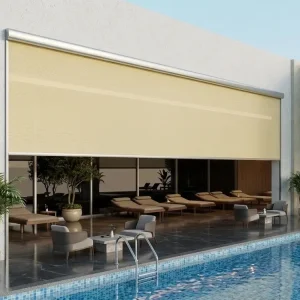
Thailand Custom Heavy-Duty Motorized Zip Screens for High-Performance Environments
Explore Specification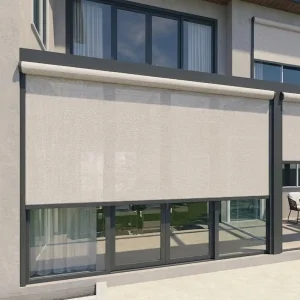
Thailand All-Weather Living Room Enclosures with Motorized Zip Screens
Explore Specification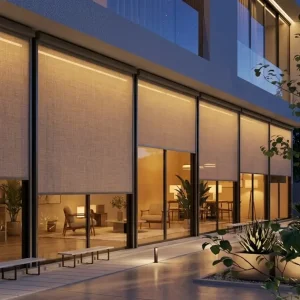
Bangkok Architectural Outdoor Facade High-Performance Zip Screen Solutions
Explore Specification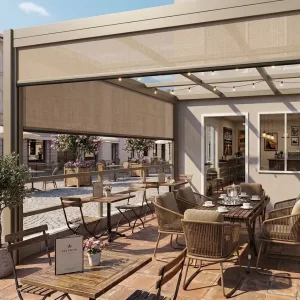
Thailand Commercial Outdoor Seating Windproof Zip Screens for Cafes & Bars
Explore Specification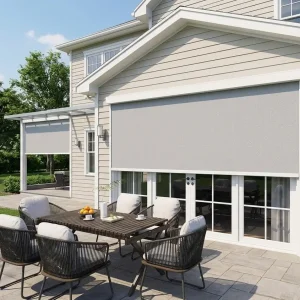
Thailand Extreme Monsoon Weather Windproof Zip Screens Perimeter Protection
Explore Specification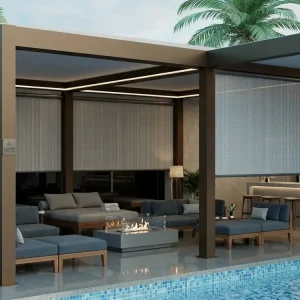
Custom Duty Motorized Zip Screen Enclosures for Aluminum Pergolas in Thailand
Explore Specification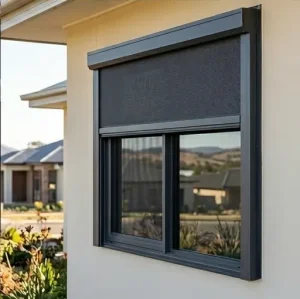
Wholesale Motorized Exterior Zip Screen for Restaurant Patio Climate Control
Explore Specification